All Categories
Featured
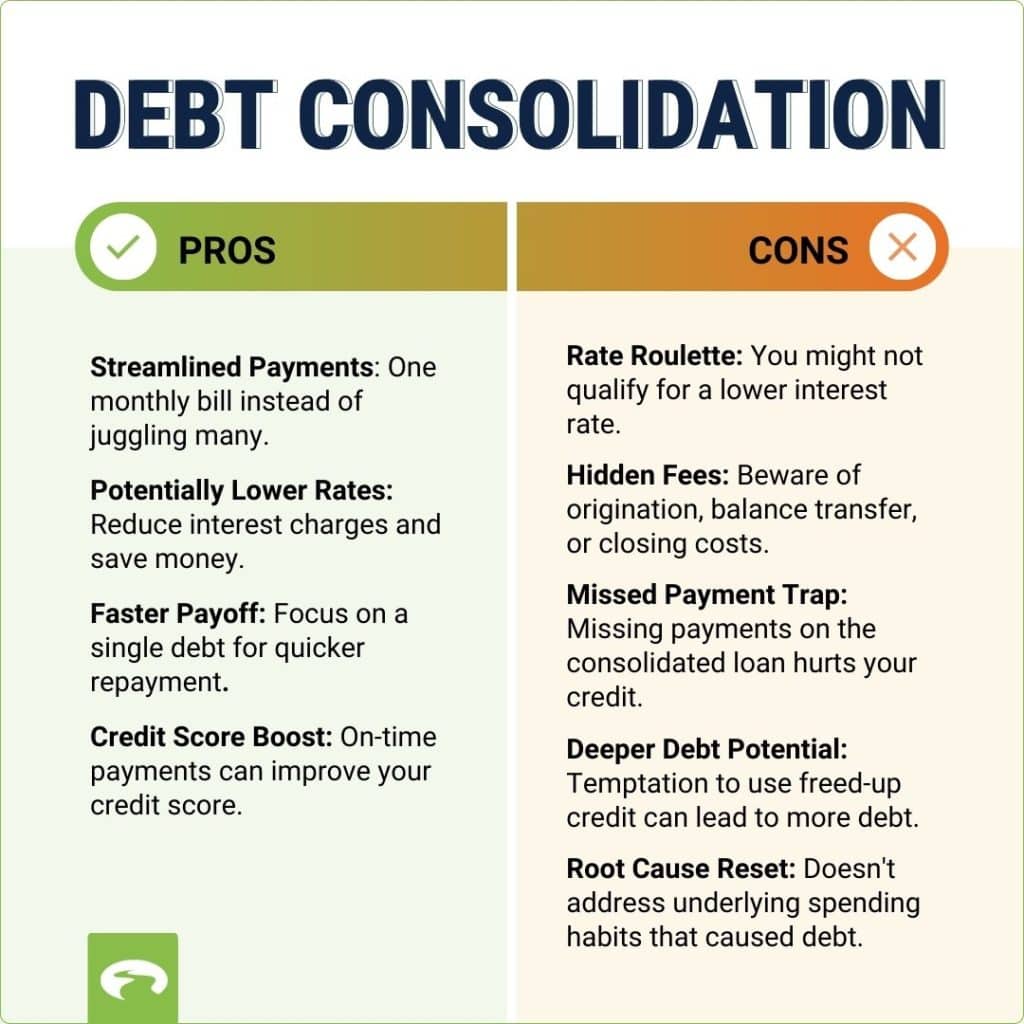
Table of Contents
Debt debt consolidation is the process of combining numerous financial obligations into a single loan with one month-to-month payment. If you're managing charge card balances, medical bills, individual loans, or other financial obligations in 2026, combination can streamline your monetary life. The objective is simple: minimize financial tension, potentially save money on interest, and create a clear course to ending up being debt-free.
1 Understand the fundamentals of combining several financial obligations into a single loan with one monthly payment. 2 Discover how financial obligation combination can decrease your rates of interest, streamline payments, and potentially enhance your credit history. 3 Learn which financial obligations are great candidates for debt consolidation and which ones to approach with caution.
Lots of Iowa families use financial obligation consolidation to gain back control of their financial resources. When you have credit card balances with interest rates above 20%, combining those financial obligations into a personal loan with a lower rate can save hundreds or even thousands of dollars each year.
Handling payment due dates, rate of interest, and minimum payments across several accounts develops stress and increases the threat of missed payments. by offering you one foreseeable month-to-month payment with a clear reward date. When you deal with a regional lending institution like FSB, you get personalized guidance on whether combination makes sense for your circumstance.
Benefits of Nonprofit Credit Counseling in 2026
that covers the overall amount of your existing debts. You then use this loan to settle your charge card, medical costs, or other commitments. After that, you concentrate on repaying the consolidation loan through one month-to-month payment. Your brand-new loan usually comes with a fixed rate of interest and set payment term, frequently between 2 and 7 years.
You understand precisely when your last payment will be and how much you will pay each month. 1 Accumulate all balances you wish to combine, consisting of rates of interest and month-to-month payments. 2 Your score identifies the rates of interest you receive. Greater scores indicate better rates. 3 Send your application with evidence of income and debt information.
5 Focus on one foreseeable payment up until your debt is totally paid off. Making an application for a debt combination loan includes examining your existing financial obligations, checking your credit rating, and figuring out how much you need to obtain. Lenders examine your income, existing debt responsibilities, and credit rating to determine your interest rate and loan terms.
Having a relationship with a neighborhood bank suggests you get individual service rather than automated choices. Before using, collect your newest declarations for all debts you want to consolidate. Having specific balances and rate of interest speeds up the application procedure and helps you get precise loan quotes. As soon as authorized, you receive funds to pay off your existing debts.
, you close those accounts or keep them open with absolutely no balances, depending on your credit method. This consistency can actually enhance your credit rating over time, especially if your previous financial obligation load was triggering high credit utilization.
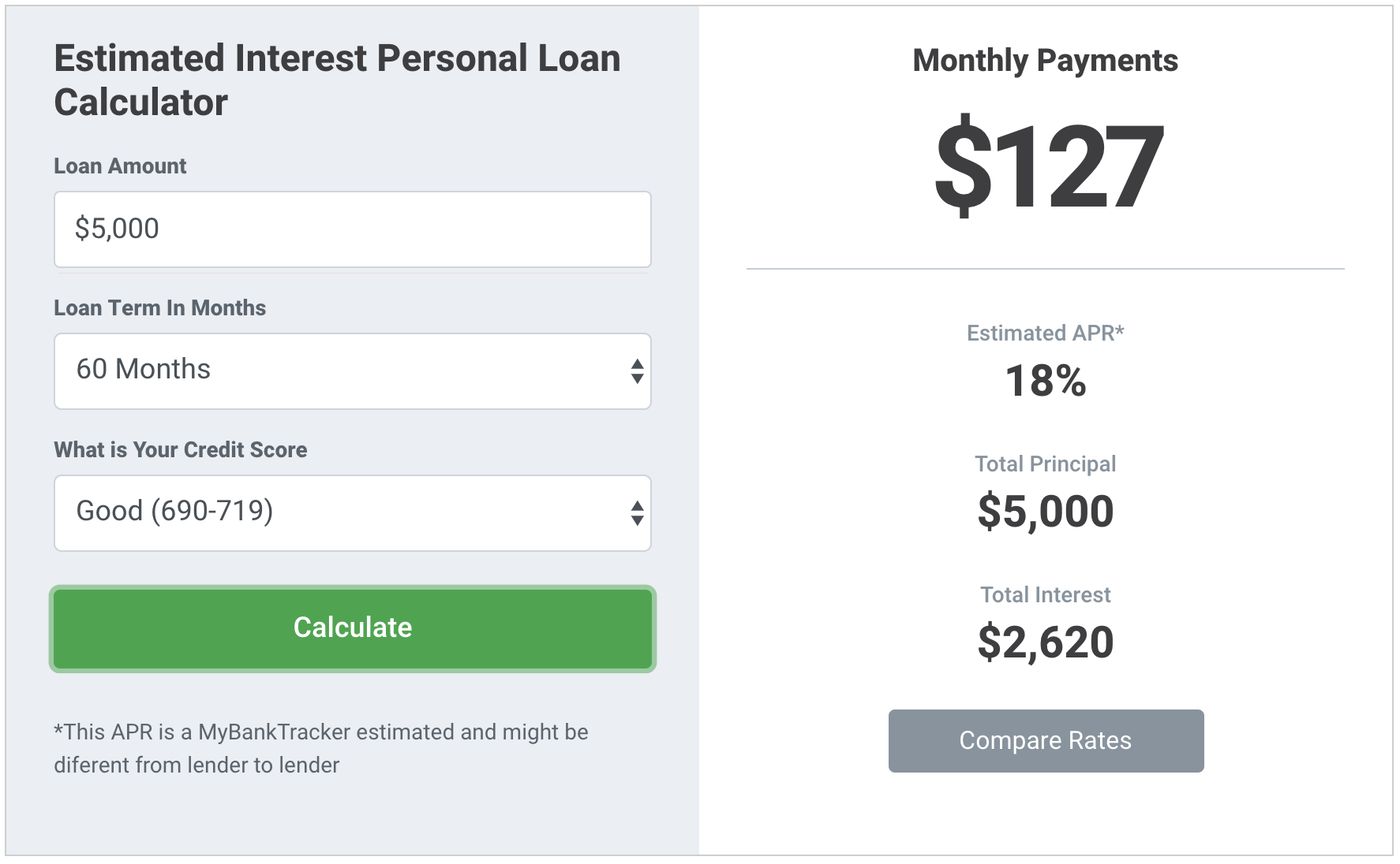
New 2026 Repayment Calculators for Borrowers
This difference can translate to substantial savings over the life of your loan. Beyond the numbers, consolidation lowers mental burden. You stop fretting about which bill is due when. You stop computing whether you can pay for minimum payments throughout several accounts. You get clarity and control over your financial circumstance.
Debt consolidation develops a simple system you can stick to month after month. Unlike credit cards with variable minimum payments, your debt consolidation loan payment remains the very same throughout the repayment period.
Paying off credit cards lowers your credit utilization ratio, which accounts for 30% of your score. Keeping those cards open after benefit preserves your readily available credit, additional improving this ratio.
Payment History (35%) Positive Impact Credit Usage (30%) Positive Effect Credit Report Length (15%) Neutral Effect Credit cards without a structured repayment strategy can take years to settle if you just make minimum payments. You know that in 3 years, or 5 years, or whatever term you choose, you will be debt-free if you adhere to the payment schedule.
The crucial factor is that these financial obligations are not connected to security like a home or cars and truck. Consolidating high-interest credit card debt makes the many sense financially.
New 2026 Repayment Calculators for Borrowers
Their high rates of interest and revolving nature make them expensive to bring long-term., you transform a revolving balance into a structured payment plan with a lower rate. After consolidation, you can keep your credit cards open for emergency situations or little purchases you settle month-to-month. The key is avoiding running up balances again after debt consolidation.
Medical bills frequently carry no interest at first but can go to collections if unpaid, destructive your credit. Combining medical debt into a personal loan secures your credit and offers a workable payment plan. Some medical suppliers provide payment plans, however these might still impact your credit utilization if reported to credit bureaus.
If you have existing individual loans or high-interest payday loans, combining them can decrease your general interest problem. Federal trainee loans should not be consolidated through an individual loan.
Top Strategies for Reaching Financial Freedom
Keep federal trainee loans separate from your financial obligation combination technique. Protected financial obligations like home loans and car loans typically must not be consolidated with unsecured debt, as this can put your collateral at threat.
The right method depends on your credit rating, the quantity of financial obligation you carry, and whether you own a home. Best for the majority of scenarios Fixed rates and terms Predictable month-to-month payments No security required Clear payoff timeline Best for short-term financial obligation 0% intro APR durations Balance transfer costs apply Requires good credit Needs to settle before discount ends Finest for house owners with equity Most affordable interest rates Home functions as collateral Tax advantages might use Threat of foreclosure if overdue Individual loans from banks or cooperative credit union provide fixed rates and terms, making them predictable and simple.
This approach works well for those with great to outstanding credit who desire a basic option. FSB provides personal loans designed for debt consolidation with competitive rates and flexible terms. Dealing with a local lender means you get customized service and can discuss your particular circumstance face-to-face. Some credit cards use advertising periods with 0% interest on balance transfers.

Latest Posts
Benefits of Professional Financial Counseling Services in 2026

How to Consolidate Credit Card Debt in 2026
Effective HUD-Approved Counseling for 2026